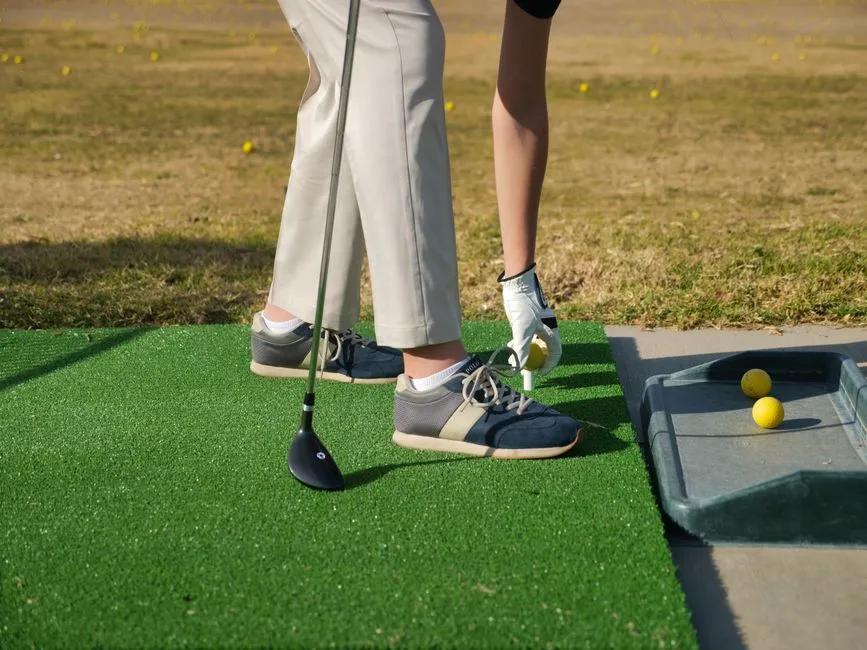
Swing Basics
How to Fix Fat Golf Shots and Move Contact Forward
Fix fat iron shots by training the club to contact the ground at or beyond the ball for a normal fairway lie.
A golf swing is a moving system, so isolated poses rarely tell the whole story. Start with the ball, clubface, contact, and a setup you can repeat. These guides use small experiments rather than one perfect model. Your job is to find the simplest change that improves the next group of shots, not win a freeze-frame contest.
Fix fat iron shots by training the club to contact the ground at or beyond the ball for a normal fairway lie.

Fix a golf slice by recording start direction, curve, strike location, and alignment before changing the swing.

Align a golf shot by choosing the intended start line, selecting a nearby intermediate target, setting the clubface to it, and then arranging the feet and…

Build a golf backswing by turning the torso around supported pressure, letting the hips respond, moving the arms to useful depth, and allowing the wrists…
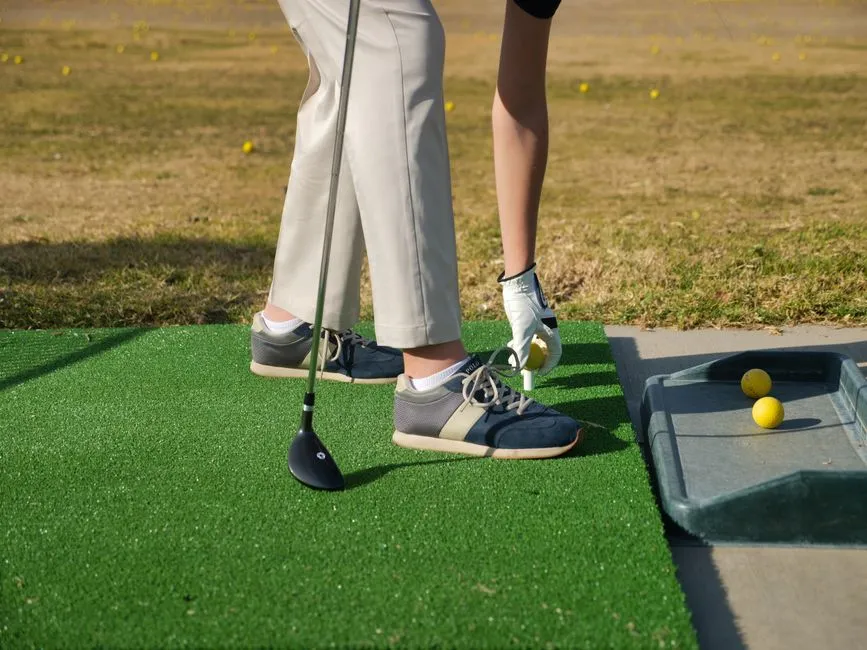
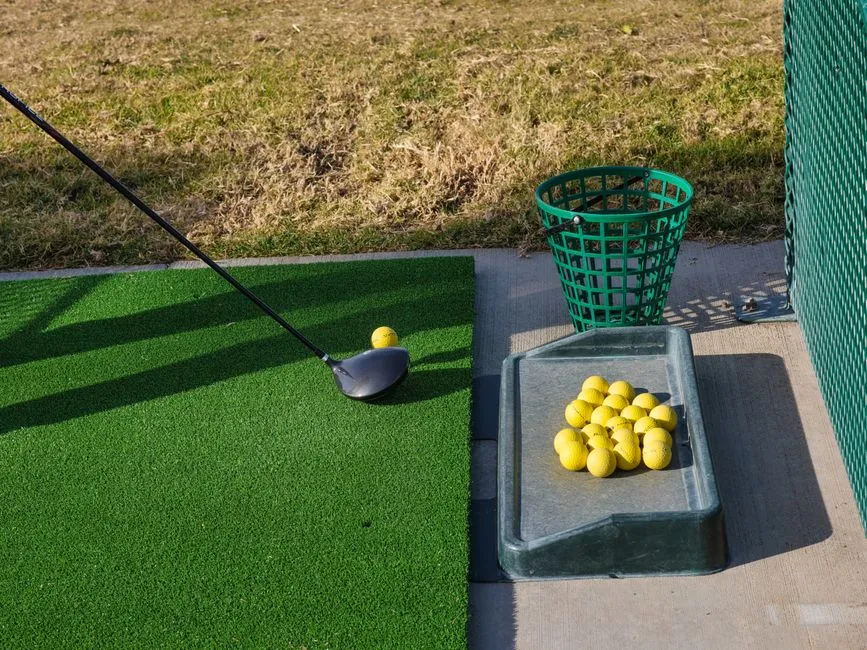
Use a centered ball position as a starting point for wedges and short irons, move the ball gradually forward for longer clubs, and place a teed driver…

Sequence the downswing by moving pressure toward the lead side as the body begins unwinding, allowing the arms to lower while the torso opens, and…
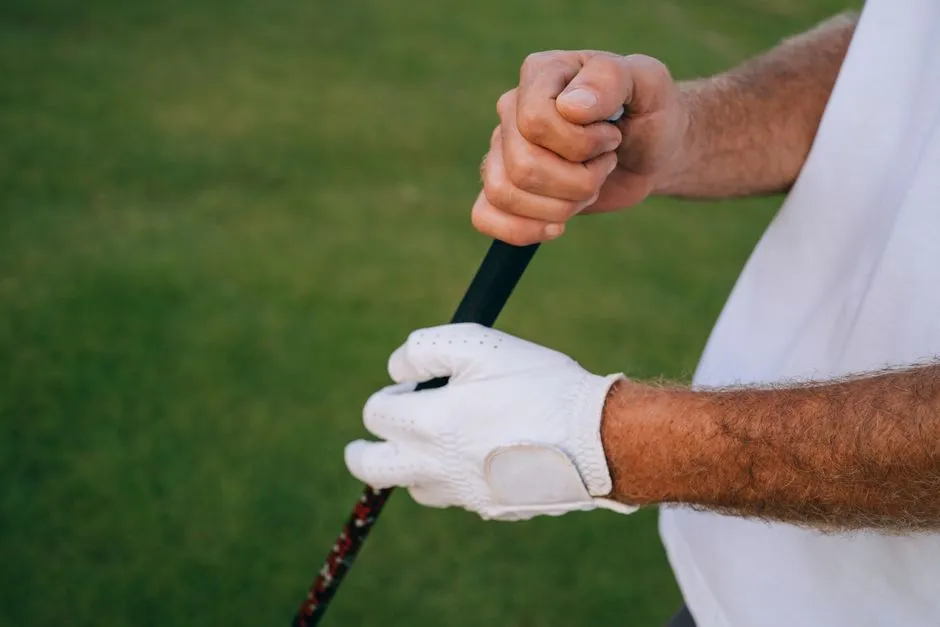
Build a golf grip by setting the clubface first, laying the handle diagonally through the lead-hand fingers, securing it under the heel pad, and placing…
Build golf posture by standing athletically, softening the knees, hinging from the hips, letting the arms hang, and keeping balanced pressure through the…
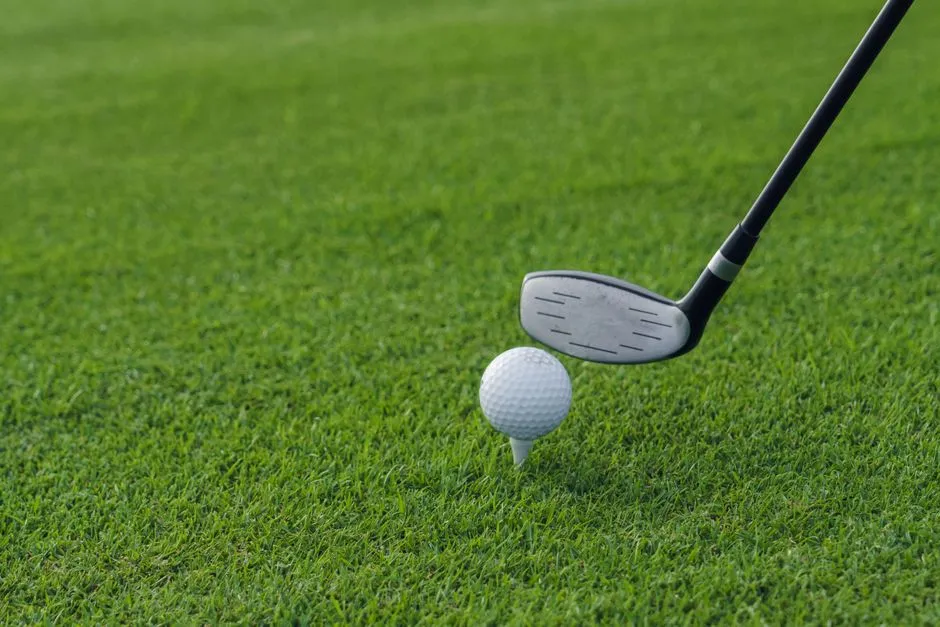
Train golf tempo with a repeatable count, half-swings, a short-to-full ladder, and continuous rehearsals, then change targets while keeping one cue.
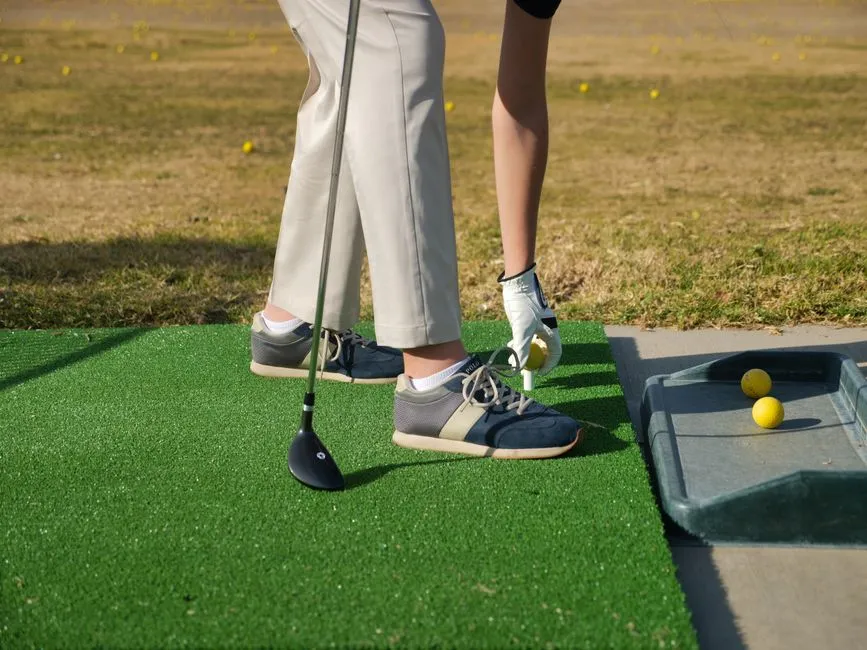
Train the golf takeaway by coordinating torso, arms, hands, and club through the first segment without a sudden hand roll, lift, or sway.