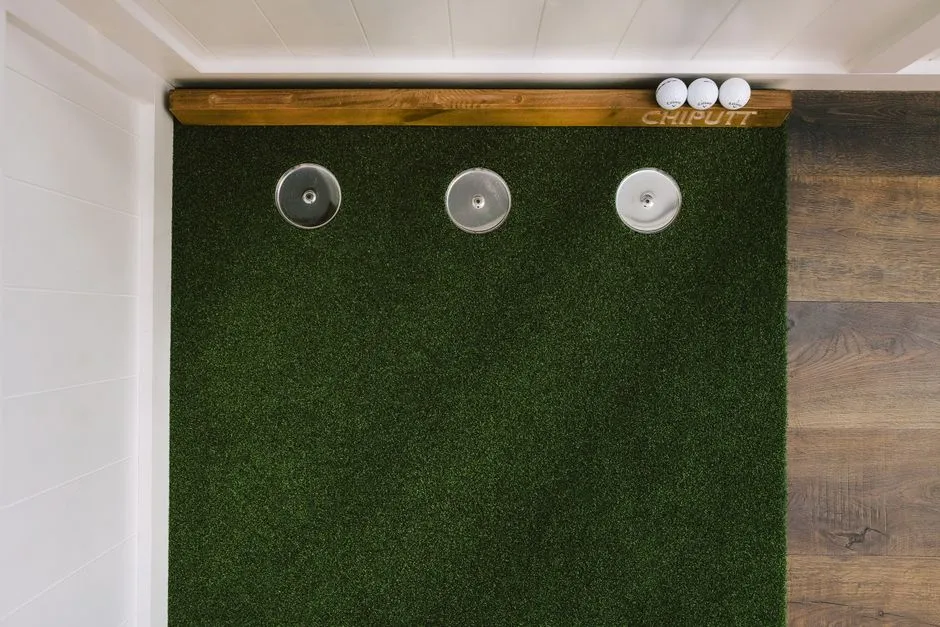
Short Game & Practice
Basic Chip Shot Technique for Predictable Roll
Hit a basic chip by choosing an early landing spot, using a narrow stable stance, favoring pressure on the lead side, and moving the chest and arms…
Short-game improvement comes from controlling start line, strike, landing point, and pace under changing lies. It is precise work, but it need not be gloomy work. These guides turn the practice area into a sequence of decisions and games, so thirty attentive minutes beat a bucket struck on emotional autopilot.
Hit a basic chip by choosing an early landing spot, using a narrow stable stance, favoring pressure on the lead side, and moving the chest and arms…
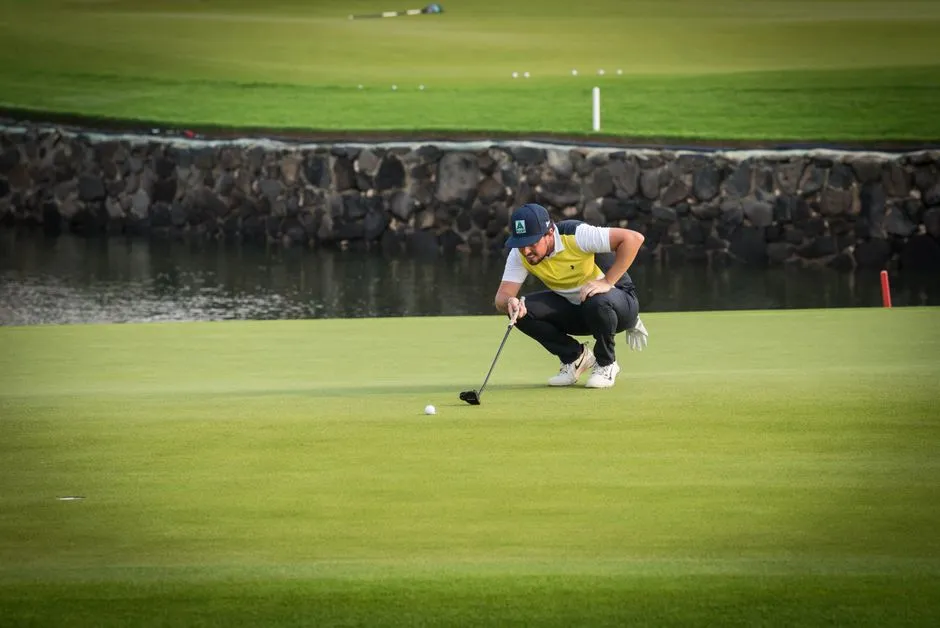
Choose a chip when the ball can land early and use plenty of green to roll; choose a pitch when rough, a bunker, a tier, soft ground, or limited green…
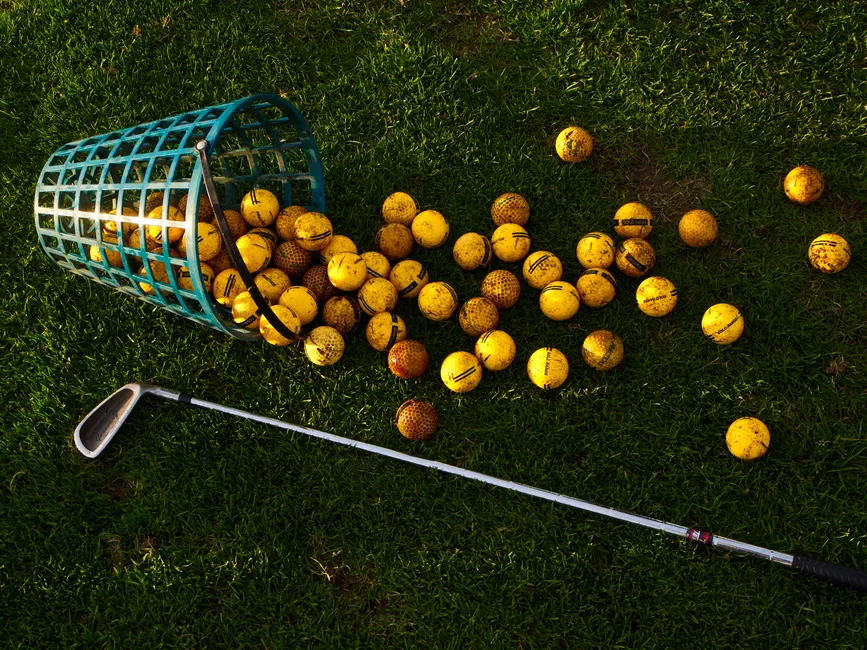
Organize driving-range practice into progressive warm-up, one clearly defined technical priority, target work, and random simulated holes.
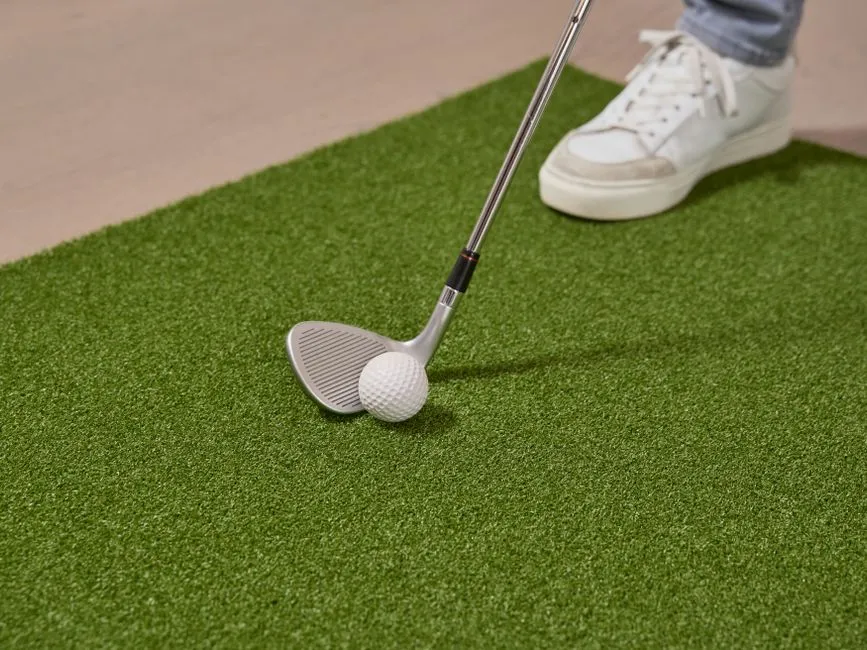
For a standard greenside bunker shot, choose a safe landing area, build a stable stance, open the clubface as the lie permits, enter the sand before the…
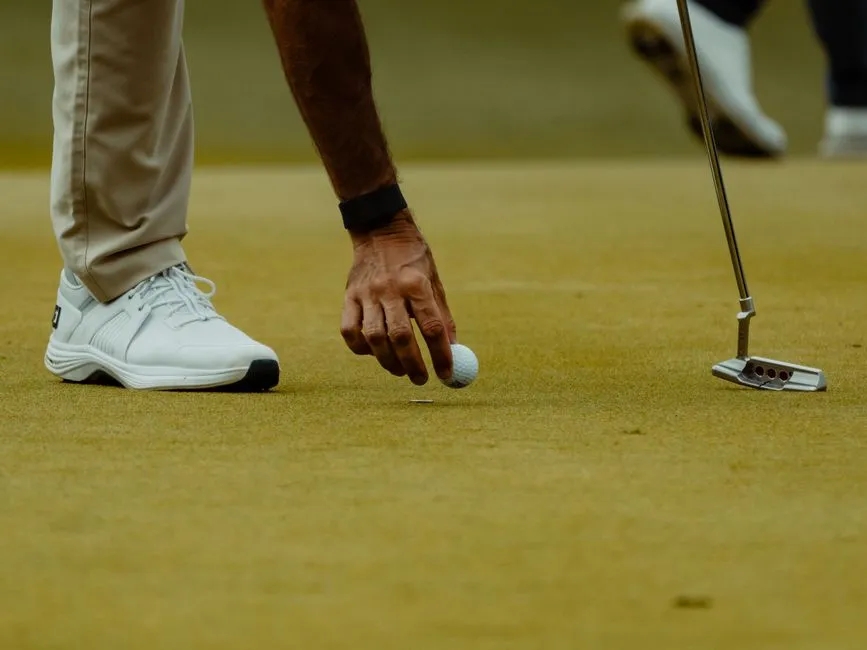
Improve putting distance control by practicing start speed to finish zones rather than trying to hole every long putt.
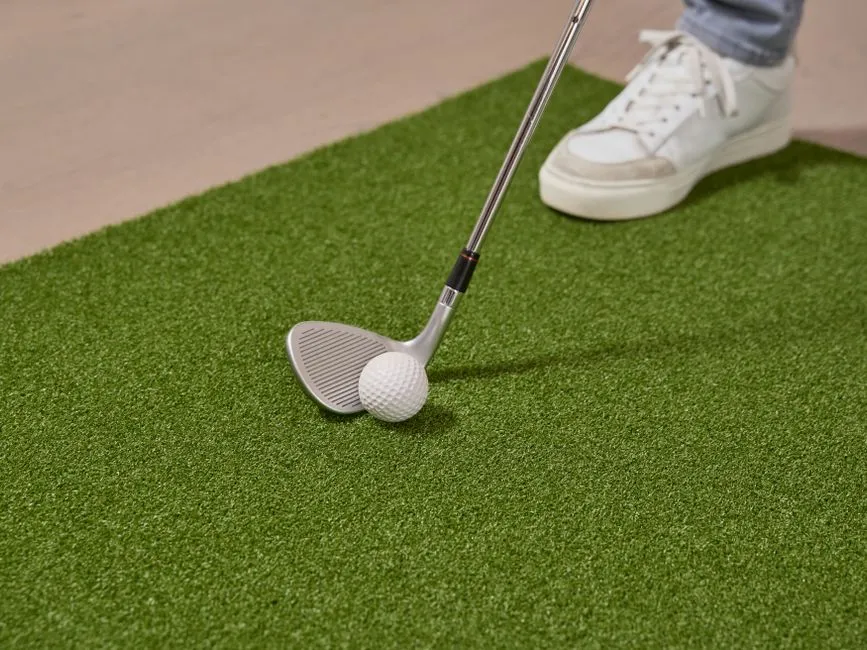
Build a putting setup by aiming the putter face first, then arranging the feet and body so the arms hang comfortably and the stroke can move without…
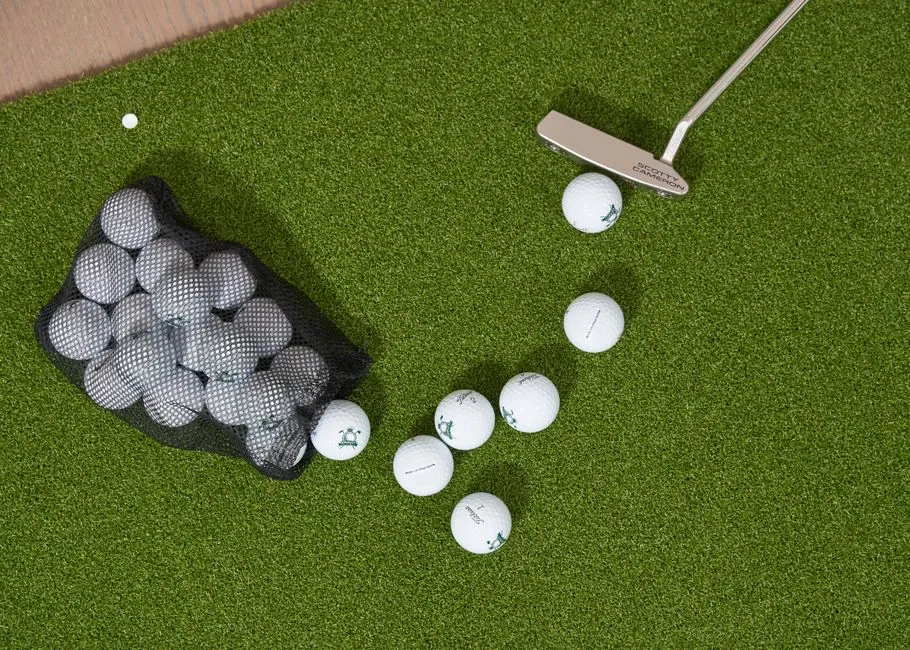
Read a putting green by identifying the broad uphill or downhill direction, viewing the putt from behind and the low side, checking slope near the ball…
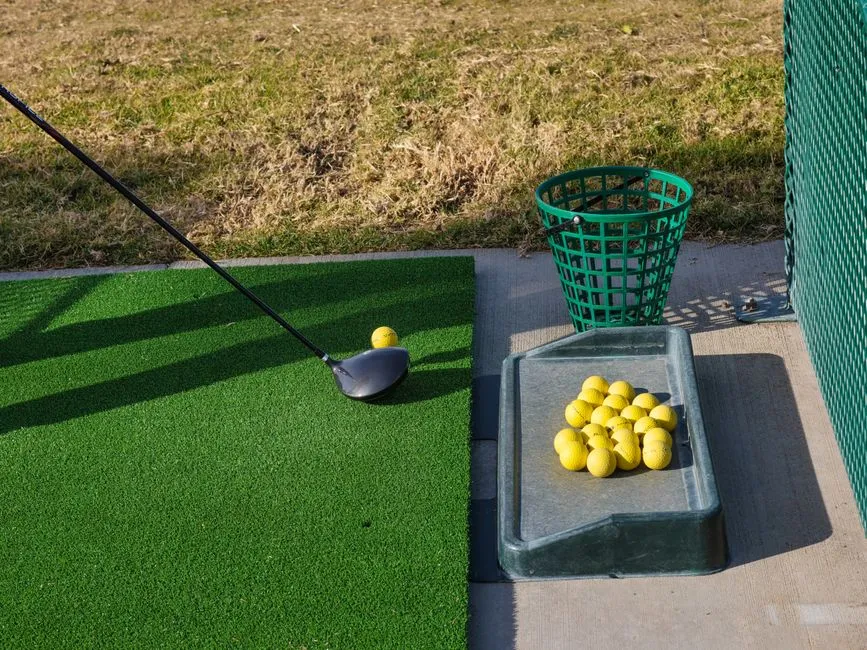
Structure a 30-minute golf practice as five minutes of warm-up, ten on one priority, ten on a scored game, and five on random transfer.

Build wedge distance control by measuring several shots with three repeatable swing lengths—such as half, three-quarter, and comfortable full—for each wedge.